
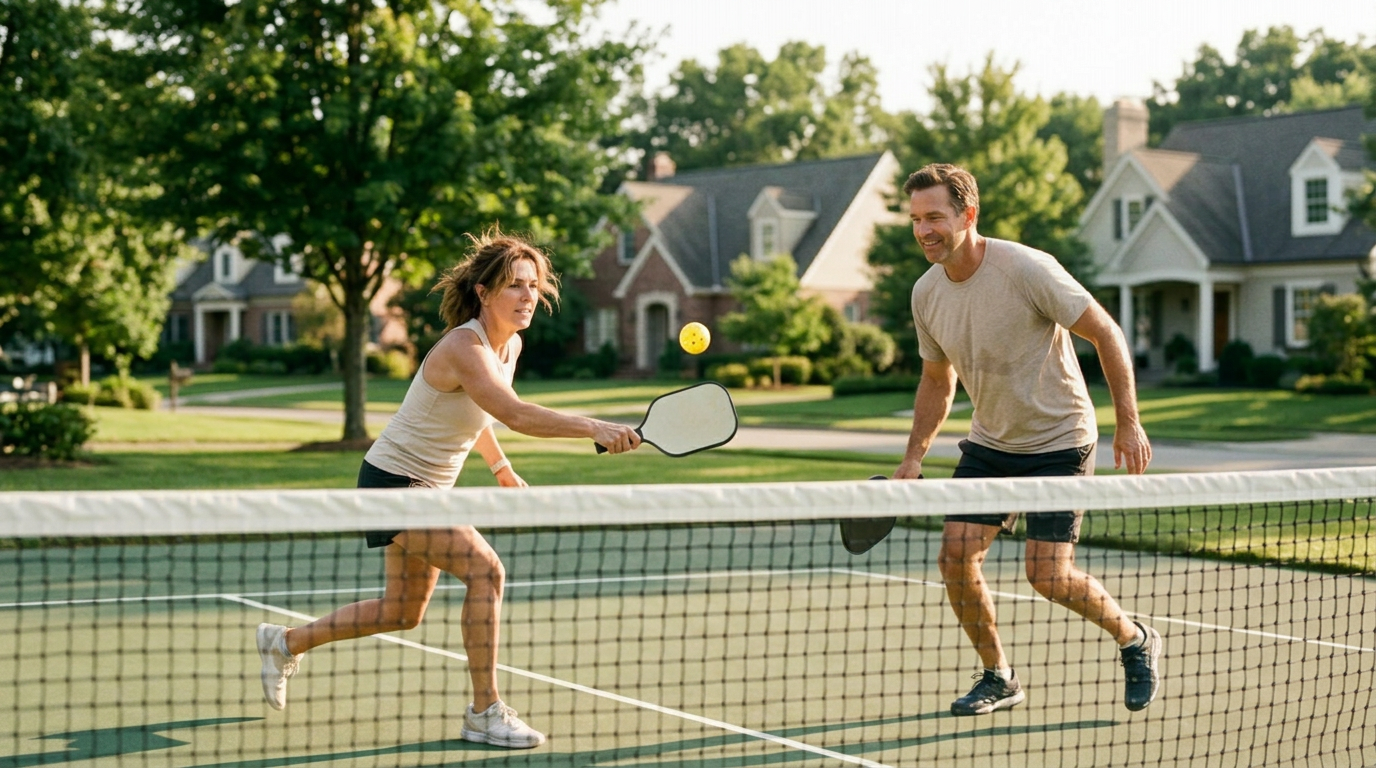
L’arrivée de l’été rime souvent avec retour au mouvement, activités extérieures et sports récréatifs. Paddleboard, vélo, golf, pickleball ou longues randonnées deviennent rapidement des incontournables de la saison. Toutefois, après plusieurs mois plus sédentaires durant l’hiver, le corps n’est pas toujours prêt à reprendre ces activités intensément.
Chaque été, plusieurs personnes consultent pour des douleurs au dos, au cou, aux épaules ou aux genoux causées par une reprise trop rapide des activités physiques. Heureusement, quelques ajustements simples peuvent grandement réduire les risques de blessures estivales.
Mal de dos, tensions et blessures estivales : pourquoi sont-ils si fréquents ?
Durant l’hiver et le printemps, plusieurs personnes bougent moins ou sollicitent leur corps différemment. Lorsque l’été arrive, il est fréquent de vouloir reprendre rapidement les loisirs extérieurs, parfois sans préparation physique adéquate. Cette reprise trop rapide peut entraîner un mal de dos, une douleur au bas du dos, une raideur au cou ou encore un élancement à l’épaule après seulement quelques activités.
Les causes les plus fréquentes des douleurs estivales incluent :
-
Manque d’échauffement ;
-
Mauvaise posture ;
-
Mouvements répétitifs ;
-
Augmentation soudaine de l’activité physique ;
-
Faiblesse musculaire ;
-
Mobilité réduite des articulations.
Les douleurs lombaires, les tensions cervicales et les inflammations aux épaules figurent parmi les problèmes les plus fréquents observés durant cette période. Plusieurs personnes décrivent également une sensation de dos barré, de tension dans le cou ou d’élancement musculaire après une reprise trop intense.
Le paddleboard : excellent pour le corps, mais exigeant pour l’équilibre
Le paddleboard gagne énormément en popularité au Québec. Bien qu’il s’agisse d’une activité bénéfique pour les muscles stabilisateurs et le tronc, elle sollicite fortement l’équilibre les abdominaux et les muscles du dos. Lorsqu’il est pratiqué sans préparation, il peut provoquer un mal de dos, une douleur au bas du dos, une tension dans les épaules ou même une raideur au cou après une seule sortie.
Les erreurs fréquentes :
-
Cambrer excessivement le bas du dos
-
Garder les épaules trop tendues
-
Utiliser uniquement les bras pour pagayer
-
Rester debout trop longtemps sans pause
Pour prévenir les douleurs :
-
Engager les muscles abdominaux
-
Plier légèrement les genoux
-
Alterner les côtés lors du pagayage
-
Effectuer des étirements après l’activité
Les personnes ayant déjà des douleurs lombaires ou cervicales peuvent bénéficier d’une évaluation chiropratique avant de reprendre cette activité régulièrement. Une meilleure mobilité et une posture plus stable peuvent aider à prévenir les élancements dans le dos et les inconforts après le paddleboard.
Vélo : attention au cou, aux poignets et au bas du dos
Le vélo est excellent pour la santé cardiovasculaire, mais une mauvaise posture peut rapidement entraîner un mal de dos, une douleur au bas du dos, des tensions musculaires ou une gêne au niveau du cou et des poignets.
Plusieurs cyclistes développent :
-
Des douleurs cervicales ou une raideur au cou
-
Des engourdissements dans les mains ;
-
Des tensions entre les omoplates ;
-
Des douleurs lombaires ou un élancement dans la bas du dos
Ces symptômes proviennent souvent :
-
D’un guidon mal ajusté
-
D’une selle inadéquate
-
D’une posture trop penchée
-
D’un manque de mobilité au niveau du bassin
Il n’y a pas que les ajustements chiropratique qui sont bénéfiques, un bon ajustement de votre vélo peut faire une énorme différence. Il est également important de varier les positions, de faire des pauses lors des longues sorties et de demeurer attentif aux premiers signes de douleur au dos ou d’inconfort après le vélo.
Golf : un mouvement répétitif souvent sous-estimé
Le golf semble être un sport doux, mais le mouvement de rotation du tronc exerce une pression importante sur la colonne vertébrale, les hanches et les épaules. Sans préparation adéquate, il peut provoquer un mal de dos, une douleur lombaire, une raideur au cou ou un inconfort aux poignets après seulement quelques élans.
Les blessures fréquentes chez les golfeurs incluent :
-
Des douleurs lombaires
-
Des tensions aux épaules
-
Une raideurs au niveau du cou
-
Un Inconfort aux poignets ou aux coudes.
Un élan répétitif effectué avec une mobilité limitée augmente considérablement les risques d’irritation articulaire et musculaire. Chez certaines personnes, cela peut aussi entraîner un mal de dos important après le golf ou des tensions musculaires persistantes après une partie.
Avant une partie de golf, il est recommandé :
-
D’effectuer un échauffement dynamique
-
De travailler la mobilité des hanches
-
D’étirer les épaules et le thorax
-
D’éviter les mouvements brusques au départ
Pickleball : le sport estival qui explose… et les blessures aussi
Le pickleball connaît une croissance fulgurante. Accessible, dynamique et amusant, il attire plusieurs personnes qui n’ont parfois pas pratiqué de sport depuis longtemps. Cette reprise soudaine peut toutefois augmenter le risque de blessure sportive ou de douleurs musculaires après quelques parties seulement.
Les changements rapides de direction, les mouvements répétitifs et les réflexes rapides peuvent provoquer :
-
Des douleurs aux genoux
-
Des tensions au tendon d’Achille
-
Des douleurs à l’épaule
-
Des entorses
-
Des douleurs lombaires
Les blessures surviennent souvent lorsque les muscles ne sont pas suffisamment préparés, que la récupération est insuffisante ou que l’intensité de l’activité physique augmente trop rapidement.
Pour réduire les risques de blessure et jouer en toute sécurité, il est recommandé de commencer progressivement, de porter des chaussures adaptées, d’intégrer des exercices de mobilité et de maintenir une bonne hydratation.
Le pickleball est une excellente façon de rester actif, mais il est important d’y aller progressivement et d’écouter son corps. En adoptant de bonnes habitudes, il est possible de prévenir les blessures et de profiter pleinement du jeu.
L’importance de la mobilité et de la récupération
Plusieurs personnes se concentrent uniquement sur l’activité physique elle-même, mais oublient deux éléments essentiels : La mobilité et la récupération.
Une mobilité réduite au niveau des hanches, des épaules et de la colonne vertébrale peut modifier les mouvements et créer des compensations musculaires.
De plus, la chaleur estivale augmente parfois la fatigue musculaire et le risque de déshydratation, ce qui peut contribuer aux tensions et aux crampes.
Quelques habitudes simples peuvent aider :
-
Bien s’hydrater
-
Dormir suffisamment
-
Intégrer des étirements
-
Éviter les augmentations soudaines d’intensité
-
Écouter les signaux du corps
Quand consulter un chiropraticien?
Une douleur persistante n’est jamais normale, même après une activité physique. Lorsque les tensions musculaires ou douleurs au dos reviennent régulièrement ou limitent vos activités, une évaluation professionnelle peut aider à identifier la cause du problème.
La chiropratique peut notamment contribuer à :
-
Améliorer la mobilité articulaire
-
Diminuer certaines tensions musculaires
-
Optimiser la posture
-
Favoriser une meilleure récupération
-
Accompagner le retour aux activités physiques
Il est également recommandé de consulter en prévention afin de maintenir le confort durant la saison estivale et continuer vos activités sans interruption.
Profitez pleinement de votre été!
L’objectif n’est pas d’éviter les activités estivales, bien au contraire. Bouger demeure essentiel pour la santé physique et mentale. Toutefois, préparer son corps adéquatement peut faire toute la différence entre un été actif et un été limité par la douleur.
Que vous pratiquiez le paddleboard sur la rivière, le vélo en famille, quelques parties de golf ou du pickleball entre amis, adopter de bonnes habitudes de prévention permet de profiter pleinement de la saison.
Votre corps vous accompagne tout l’été : prendre soin de votre mobilité et de votre posture peut vous aider à rester actif plus longtemps et plus confortablement.