

The sciatic nerve is often mentioned when discussing radiating leg pain. Known as sciatica, this pain can be truly debilitating and usually results from irritation or compression of the sciatic nerve. However, it’s crucial to note that other conditions can mimic sciatica, making diagnosis more complex.
In this article, we will explore two common conditions—piriformis syndrome and sacroiliac syndrome—along with other similar pains.
What is Sciatic Pain?
Sciatic pain is a painful condition caused by irritation or compression of the sciatic nerve, the longest nerve in the human body. Anatomically, the sciatic nerve originates from the spinal cord in the lower back, travels through the buttocks, and runs down the back of the leg, branching out at the knee. This nerve is crucial as it controls leg muscles and allows sensation in this part of the body.
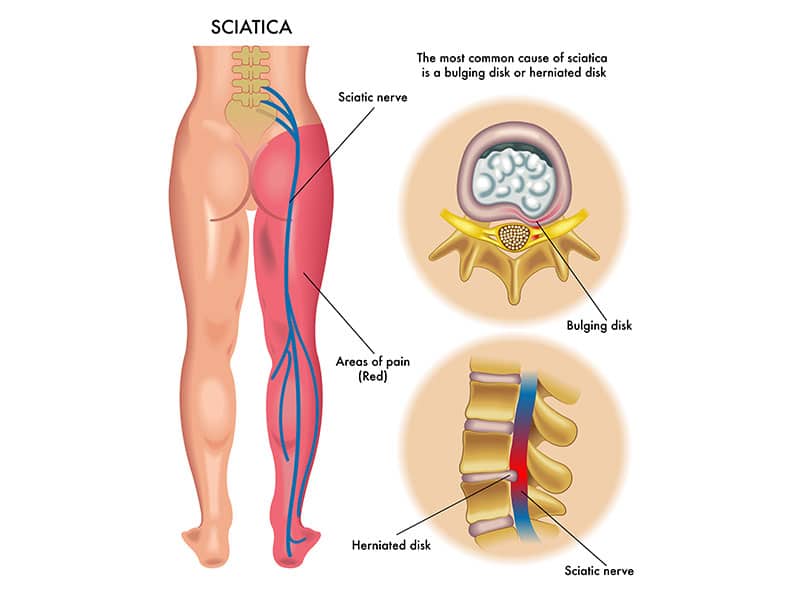
Anatomical Reminder
The sciatic nerve originates from the L4, L5, S1, S2, and S3 nerve roots in the spine. When a herniated disc, spinal canal stenosis, or another condition puts pressure on these nerve roots, it can trigger pain that radiates along the sciatic nerve. Typically, the pain starts in the lower back, spreads to the buttocks, and can extend down the back of the thigh to the heel and even the toes.
This distinct pain pattern allows chiropractors to diagnose sciatica based on symptom location alone.
Who Can Be Affected?
Sciatic pain can affect a wide range of individuals, but certain risk factors increase the likelihood, such as:
- Age: People aged 30 to 50 are more prone to developing back problems that can lead to sciatica.
- Lifestyle: Lack of exercise, obesity, and a sedentary lifestyle can increase the risk of back injuries.
- Physical labour: Jobs requiring heavy lifting or repetitive movements can contribute to the development of sciatica.
- Underlying medical conditions: Diseases like arthritis, herniated discs, or even infections can increase susceptibility to sciatic pain.
By considering all these factors, we understand that sciatic pain is not just a minor inconvenience but a condition that can significantly affect quality of life. Recognizing symptoms and risk factors is essential for early diagnosis and effective treatment.
Conditions That Mimic Sciatic Pain
Sciatic pain is often confused with other conditions, making diagnosis complex. It’s important to consider conditions such as piriformis syndrome and sacroiliac syndrome, which can cause similar symptoms without directly involving the sciatic nerve.
Piriformis Syndrome
Piriformis syndrome is a condition that results from irritation of the sciatic nerve by the piriformis muscle, located in the gluteal region. This muscle plays a crucial role in hip rotation, pelvic stabilization, and walking. Excessive tension, inflammation, or spasm of the piriformis muscle can cause compression of the sciatic nerve, which passes just below or sometimes even through the muscle. This results in pain similar to that of sciatica, but with a different origin.
Symptoms of piriformis syndrome typically include a sharp or stabbing pain in the buttock, which may radiate down the back of the thigh and leg. Those affected may experience numbness or tingling in the leg, which is also common in cases of sciatica. A key feature of this syndrome is that pain can be exacerbated by certain positions, such as sitting for long periods, or by activities involving flexion or rotation of the hip.

The causes of piriformis syndrome can vary, ranging from sports injuries to poor posture to repetitive movements. For example, runners, dancers, or those whose jobs require long periods of sitting may be particularly susceptible to developing this syndrome.
The diagnosis of piriformis syndrome often relies on a thorough clinical examination, including questions about the patient’s medical history and activities. Specific tests, such as hip deflection maneuvers, can help reproduce the pain and confirm the diagnosis.
Sacroiliac Joint Syndrome
Sacroiliac joint syndrome, on the other hand, is a condition that affects the sacroiliac joint, which connects the lower spine to the pelvis. This joint plays a key role in supporting the body’s weight while allowing for limited mobility. When this joint becomes inflamed, injured, or malfunctions, it can cause pain that mimics sciatica, often located in the lower back and buttocks.
Symptoms of sacroiliac joint syndrome include pain in the sacrum, primarily on the affected side. This pain can radiate to the buttocks, thigh, and sometimes down the leg. Sufferers may also experience pain when standing, walking, getting up from a seated position, or even climbing stairs. Unlike sciatica, sacroiliac pain does not extend beyond the knee.

Underlying causes of sacroiliac joint syndrome may include trauma, misalignment, or inflammatory arthritis. Pregnant women are particularly prone to this syndrome due to postural and hormonal changes that affect joint flexibility. Activities that place significant strain on the pelvic stabilizing muscles, such as running or twisting movements, can also contribute to the onset of symptoms.
The diagnosis of sacroiliac joint syndrome is based on a clinical examination, where the chiropractor tests joint mobility and pain and may perform imaging tests if necessary to rule out other conditions.
The Chiropractor’s Role in Diagnosing Neuro-Musculoskeletal Pain
Chiropractors play a crucial role in the management of neuromusculoskeletal pain, including those that appear to be related to sciatica, such as piriformis syndrome and sacroiliac joint syndrome. Thanks to their specialized training, they are skilled in assessing, diagnosing, and treating various conditions affecting the musculoskeletal system.
During an initial consultation, the chiropractor performs a thorough examination, including a medical history and a physical analysis of symptoms. Palpation and manipulation techniques help identify areas of dysfunction that may be causing pain, while ruling out other problems.
Once a diagnosis is established, a personalized treatment plan is developed. Chiropractic manipulation, aimed at realigning joints, is essential for relieving pressure on nerves and improving mobility, particularly for conditions such as piriformis syndrome or sacroiliac joint syndrome. In addition to adjustments, chiropractors incorporate strengthening and stretching exercises to reduce pain and improve function. They also provide advice on posture and other positive lifestyle habits.
Patient education is a key aspect of their role, explaining how daily activities can affect pain and encouraging preventative behaviours to minimize the risk of future injuries.
Conclusion
Sciatic pain is a common issue, but it is essential to recognize that it can result from various neuro-musculoskeletal conditions, such as piriformis syndrome and sacroiliac syndrome. Understanding these differences is crucial for obtaining an accurate diagnosis and appropriate treatment.
Chiropractors play a vital role in this process, offering expert evaluation and treatment for pain relief. Through personalized approaches, they not only help alleviate symptoms but also educate patients on preventive habits to maintain optimal health.
If you’re experiencing back or leg pain, it’s time to take action. Don’t let pain interfere with your daily life or compromise your quality of life.
Take care of your health and explore the benefits of chiropractic care to regain comfort and mobility.
Dr. Émilie Gaudreau, Chiropractor
Dr. Patrick Gaudreau, Chiropractor
Sources :
Huang, J. H., Yang, S., & Huang, M. (2018). Sacroiliac joint dysfunction: A review. Journal of Pain Research, 11, 575-581. https://doi.org/10.2147/JPR.S161509
Knight, M. M. (2006). The Back Pain Book: A Self-Help Approach for the Lower Back. T. A. G. Publishing.
Mardani-Kivi, M., Ebrahimi, A., & Saeedi, M. (2019). The effect of piriformis stretching on sciatica: A randomized controlled trial. BMC Musculoskeletal Disorders, 20(1), 1-8. https://doi.org/10.1186/s12891-019-2848-5