

Stress, whether from work overload, family responsibilities, lack of sleep, or recurring worries is now commonplace. Beyond its mental and emotional impacts, stress can also cause very real physical consequences that are often underestimated, particularly affecting the back, spine, pelvis, and nervous system. Many people link stress to the onset or worsening of back pain, muscle tension, or bodily stiffness.
This article explores how the body reacts to stress, why spinal health matters, and how a holistic health approach can help better understand and reduce its everyday effects.
Stress: physiological responses and effects on the body
When we talk about stress, it’s more than “I feel tired or overwhelmed.” The body triggers an automatic response: stress hormones rise and the nervous system switches to “alert” mode (preparing to fight or flee).
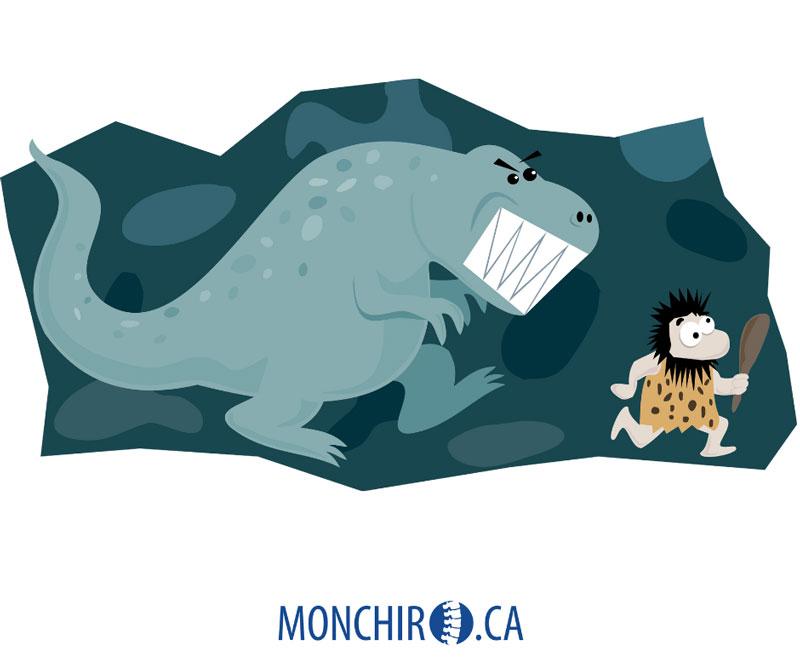
Physically, this can cause:
- Increased muscle tension, especially in the neck, shoulders, and lower back
- Altered posture (e.g., rounded shoulders, hunched back, forward head).
- Reduced recovery capacity, poorer sleep, and depleted bodily resources.
- Greater strain on the nervous system, particularly if the spine or skeletal structure is imbalanced.
In short: stress creates a state of “alert,” which often manifests as musculoskeletal, spinal, or nervous symptoms.
Why the spine is central to stress management
The spine is much more than a structural support. It is a central axis for the nervous system. It protects the spinal cord, links the skeleton to the muscular system, and plays a crucial role in posture, stability, and everyday movement. When subjected to certain stresses, such as poor posture, muscle tension, or limited mobility, it can affect neural communication and exacerbate muscle fatigue, stiffness, or back pain.
This close connection between the spine, posture, the nervous system, and stress helps explain why, in a holistic health approach, paying attention to spinal health is relevant during periods of increased or prolonged stress.

Common manifestations of stress on the back and posture
Here are some situations frequently observed in people experiencing high or chronic stress:
Neck, shoulder, and upper back tension
Stress often leads to a “text neck” posture, with shoulders raised or rounded and the head pushed forward. These positions increase load on the cervical and thoracic spine, promoting muscle tension and upper back pain.
Low back pain or stiffness
Stress can lead to prolonged sitting, reduced movement, or poor posture. These factors can overload the lumbar spine and contribute to low back pain, stiffness, or ongoing back problems.
A feeling of blockage in the pelvis or hips
The pelvis plays a key role in postural balance and is closely connected to the spine. Stress can increase rigidity in this area and cause sensations of blockage, stiffness, or discomfort.
Sleep disruption or insufficient recovery
Stress affects sleep quality, limiting the ability of muscles, joints, and the spine to recover properly. Repeated fatigue can worsen bodily tension and pain.
A general feeling of tension throughout the body
Some people feel constant tension, as if the body remains on alert. This generalized tension, linked to stress and the nervous system, can impair mobility, posture, and everyday comfort.
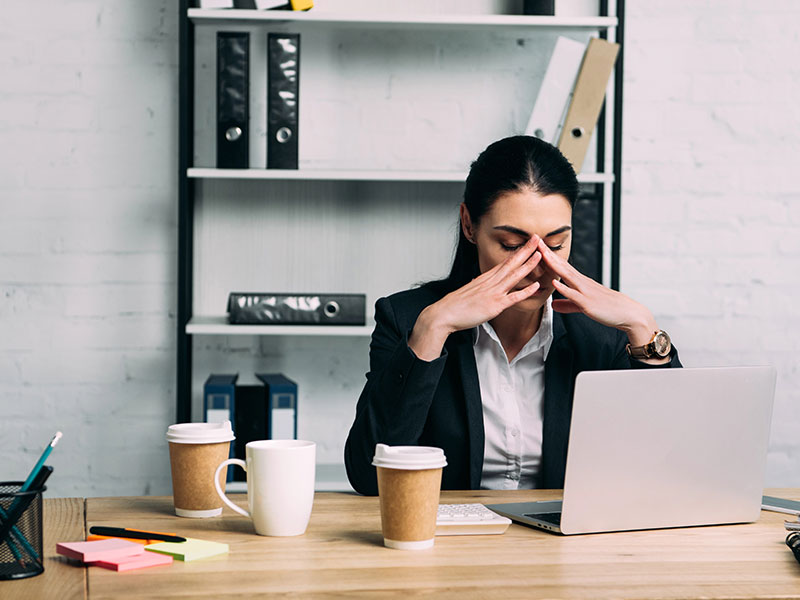
Recognizing these signals helps to better understand the impact of chronic stress on the back and posture, and to prevent worsening spinal, muscular, or joint pain.
The role of chiropractic care in this context
Chiropractic can serve as a complementary support (not a standalone solution):
- It enables assessment of posture, mobility, muscle and spinal tension, and the effects of chronic stress on the spine.
- Spinal adjustments or gentle mobilizations can help release tense areas, restore mobility, and support proper neuromuscular function.
- Care may include advice on posture, ergonomics, stress management, breathing, and tailored exercises to strengthen or relax muscles.
This approach helps reduce the physical effects of stress: muscle tension, postural imbalances, and nervous system overload. Many people report notable relief and an improved ability to cope with daily challenges.
What can you do daily to limit stress’s effects on your back?
When stress sets in, some simple measures can help reduce stiffness, back and neck pain, or headaches, while supporting the spine and nervous system.
Posture, ergonomics, and movement
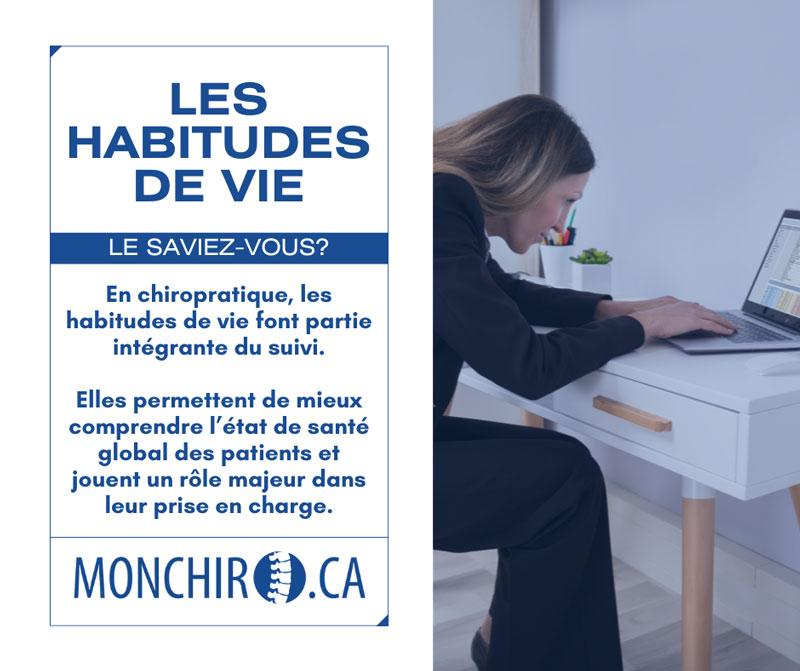
Good posture is essential: keep the back straight, shoulders relaxed, and head aligned to limit stress-related tension. When sitting or standing for long periods, change position every 30–60 minutes. A pelvic tilt, opening the chest, or a few gentle neck and upper-back stretches help reduce dorsal stiffness and back pain.
Breathing and recovery
der stress, breathing often becomes shallow. Taking a few minutes to inhale deeply and exhale slowly promotes muscle relaxation and calms the nervous system. In the evening, limit screens, prioritize sleep, and include active recovery (walking, short activity breaks) to support the body’s regeneration.
Chiropractic care: a gentle, preventive approach
Chiropractic offers postural assessments and manual treatments to optimize spinal mobility, reduce muscle tension, and support the nervous system. Preventive spinal adjustments and gentle soft-tissue mobilizations can correct imbalances before they cause pain.
Monitor persistent signals
Back or neck pain, stiffness, or migraines that persist despite rest or activity may indicate mechanical overload. In such cases, a postural or spinal evaluation can help identify imbalances that limit the body’s ability to adapt to stress.
Adopt a holistic approach
Posture, mobility, breathing, sleep, and nervous-system balance are interconnected. Supporting them together improves the body’s resilience and helps better cope with daily stress.

Better understand and act on stress’s impact on the body
Stress doesn’t only show up mentally: it directly affects posture, the spine, and the nervous system, and when it becomes chronic can cause stiffness, back or neck pain, and headaches. By paying attention to the body’s signals—posture, mobility, breathing, and recovery—and combining good daily habits (active breaks, deep breathing, restorative sleep) with preventive approaches such as chiropractic care or other manual therapies, you can reduce tension and build resilience. Listen to your body and consult a professional if pain persists: early action often helps prevent the problem from becoming chronic.
Dr Émilie Gaudreau, chiropractor
Dr Patrick Gaudreau, chiropractor