

Back pain: causes, treatments and prevention in chiropractic care
Back pain is one of the most common reasons people seek healthcare, affecting both active workers and sedentary individuals. Whether it’s acute pain, persistent tension, or a sudden lock-up, any form of discomfort can quickly reduce quality of life.
Among recognized options for relieving back pain, chiropractic care offers a natural approach focused on musculoskeletal function. While not the only solution, it is a safe and effective option for many people.
In this article, we present the main causes of back pain, treatments that can help relieve it, and various prevention strategies to protect the spine in daily life.
What is back pain?
Back pain refers to any pain felt in the spinal area. This discomfort can occur in different regions:
- Lower back (lumbar region)
- Mid back (thoracic region)
- Upper back and neck (cervical region)
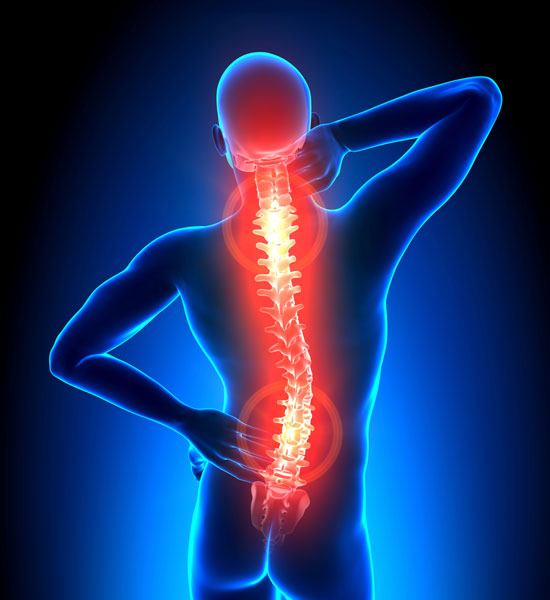
Of these areas, the lumbar region is most frequently affected because it bears much of the body’s weight and is especially stressed during everyday movements.
Depending on its duration and course, back pain can be classified into three categories:
- Acute: sudden onset, often related to a wrong move or sudden strain
- Subacute: pain persisting for a few weeks
- Chronic: symptoms present for more than 3 months
Identifying the type and location of the pain helps choose the most appropriate management approaches.
Common causes of back pain Back pain
Back pain can have many origins, and an assessment by a chiropractor can identify the precise source of the problem. Understanding the cause is essential for selecting the most suitable treatment strategies.
1. Poor posture
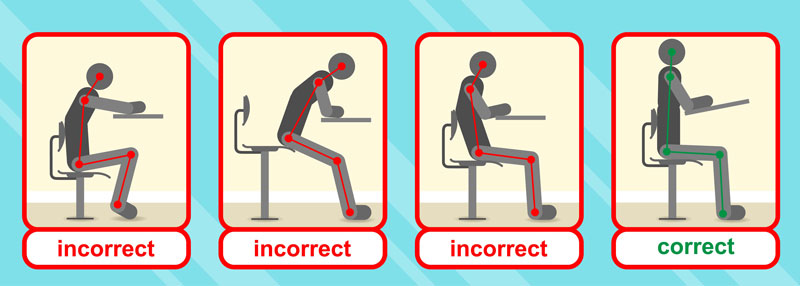
Office work, teleworking, and prolonged phone use promote a slouched or forward‑head posture. This position increases pressure on the intervertebral discs and overworks the back muscles, which can lead to pain and stiffness.

2. Muscle strains
A sudden movement, a wrong twist, or lifting a heavy load can cause significant muscle strain. These strains often limit mobility and can radiate toward the hips or shoulders.

3. Herniated disc
An intervertebral disc can shift or bulge, putting pressure on a nerve root. This often causes localized pain or radiating pain down the leg, a classic sign of nerve irritation.
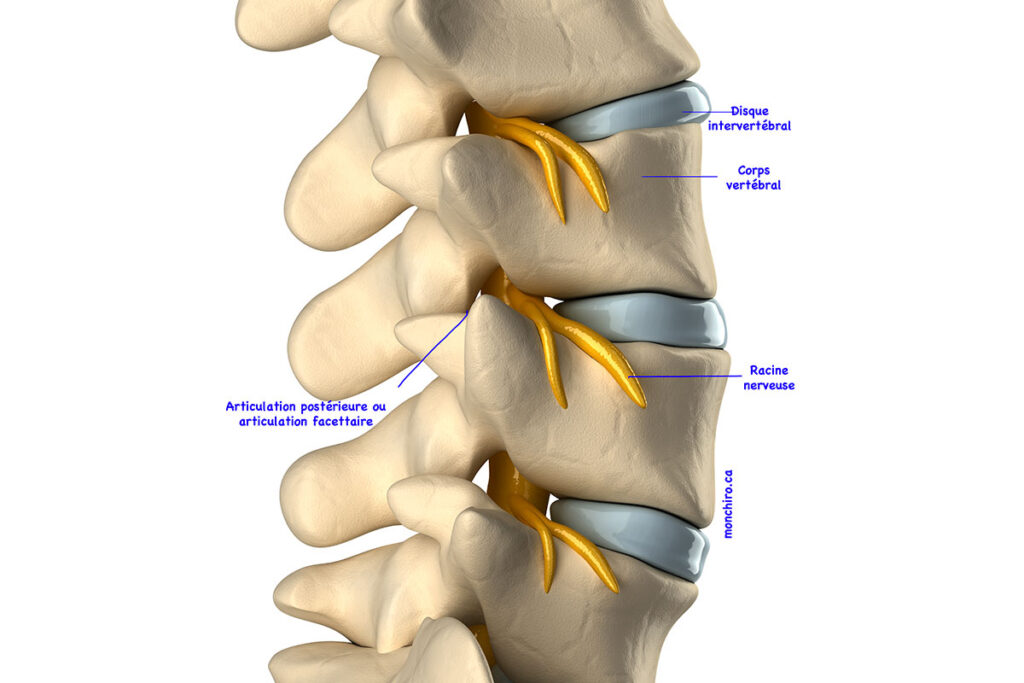
4. Osteoarthritis
Over time, wear and tear of the spinal joints can reduce mobility and promote inflammation. This form of spinal osteoarthritis is common and can contribute to chronic back pain.

5. Sedentary
Lifestyle Lack of physical activity weakens the trunk stabilizer muscles, which are essential for adequately supporting the spine. When these muscles are less active, the risk of developing back pain increases.

Symptoms associated with back pain
Symptoms related to back pain vary by cause, but commonly include:
- Localized or diffuse pain, sometimes hard to pinpoint
- Morning lumbar stiffness, often felt after a period of inactivity
- A feeling of blockage in the back, as if mobility is missing
- Increased pain when sitting, especially during prolonged screen work
- Radiation toward the buttock or leg, sometimes accompanied by a pulling sensation
- Numbness or tingling, which may indicate nerve irritation
When discomfort travels down the leg, it may be sciatica—an often-seen symptom associated with lumbar pain.

Why see a chiropractor for back pain?
When back pain persists, consulting a professional trained to assess the entire musculoskeletal system can be helpful. Chiropractic care is among the approaches that can identify not only symptoms but also the factors contributing to the pain.
During the consultation, the chiropractor typically conducts a full evaluation including posture analysis, orthopedic tests, a neurological assessment, and a complete spinal exam. This comprehensive approach helps better understand how the body functions, identify movement restrictions or muscle imbalances, and detect possible nerve irritation (vertebral subluxation).
By providing a clear picture of the situation, this approach guides management strategies—whether advice, exercises, chiropractic adjustments, or other complementary treatments—to promote lasting relief.
Chiropractic treatments for back pain
In chiropractic care, treatments aim to improve mobility, reduce discomfort, and support natural healing. Techniques are tailored to each person according to their condition and symptom severity.
Spinal adjustments
Chiropractic adjustments are used to:
- Improve joint mobility
- Decrease pressure on nerves
- Reduce inflammation
- Support the body’s natural healing processes
Techniques are adapted to each patient based on their specific needs.

Complementary therapies
As needed, various therapies can accompany chiropractic adjustments. Muscle therapy, exercises, stretches, and ergonomic advice can promote lasting relief and help prevent recurrences.
How long does back pain last?
The duration of back pain depends on several factors, including the cause, how quickly it is addressed, the person’s activity level, and their commitment to recommended exercises.
An acute episode can improve within a few weeks, whereas long-standing pain, such as chronic back pain, often requires more gradual follow-up.
In general, early intervention increases the chances of a faster and more effective recovery.
How to prevent back pain
Prevention is essential to keep the spine healthy and reduce the risk of back pain.
Simple, effective strategies include:
- Maintain good posture: keep shoulders relaxed, spine straight, and feet flat on the floor when seated.
- Move regularly: movement nourishes intervertebral discs; stand up every 30 to 60 minutes.
- Strengthen the core: abdominal and lumbar muscles help stabilize the spine.
- Lift correctly: bend the knees and keep the back straight when handling loads.
- Consult for prevention: regular chiropractic care can maintain joint mobility and reduce the risk of recurrence.
When should you see someone for back pain?
Some situations require prompt consultation, especially when pain intensifies or unusual symptoms appear.
Seek prompt evaluation if:
- Back pain is severe and persistent
- Significant weakness occurs
- Pain radiates down the leg, suggesting nerve irritation
- Pain disrupts sleep or prevents daily activities
- Symptoms persist for several days
A timely assessment helps prevent condition worsening and enables appropriate management strategies.
Conclusion
Although common, back pain should not be accepted as inevitable. Timely, appropriate care can relieve pain and reduce the risk of recurrence.
Chiropractic care offers a natural, personalized approach aimed at improving mobility and bodily function. See a chiropractor for an assessment and tailored advice — book an appointment today to protect your back and restore daily comfort.
Dr. Émilie Gaudreau, chiropractor
Dr. Patrick Gaudreau, chiropractor
Sources consulted on February 25, 2026:
Ordre des chiropraticiens du Québec. La recherche en chiropratique : efficacité, sécurité et données probantes.
https://www.ordredeschiropraticiens.ca
Gevers-Montoro, C. (2024). Mécanismes neurophysiologiques du soulagement de la douleur vertébrale chronique primaire par les manipulations vertébrales chiropratiques. Néo UQTR.
https://neo.uqtr.ca
Auger, F. (2024). Douleurs au dos : stratégies de soulagement et conseils de prévention. Chiropratique Québec.
https://chiropratiquequebec.com